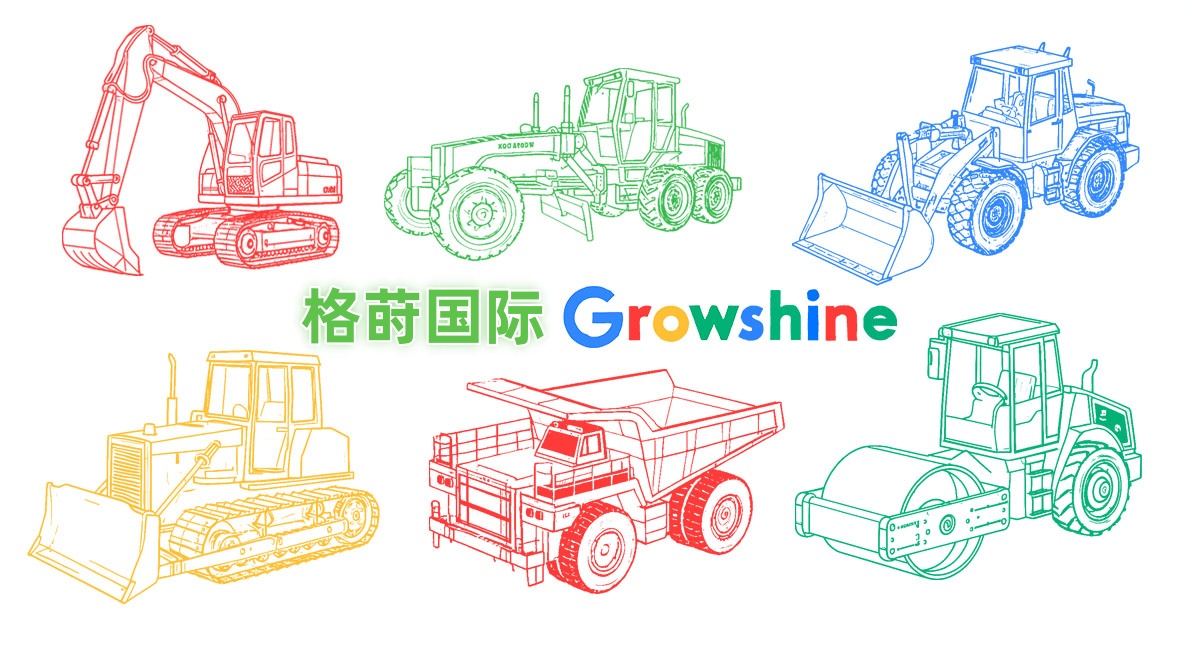
Growshine International: Your Premier Source for Quality Parts - March 10, 2025
Welcome to Growshine International, a leading provider in the global market for engineering machinery parts, heavy truck parts, agricultural machinery parts, and auto parts. With years of experience in import and export trade, we are committed to delivering only the highest quality components to keep your operations running smoothly and efficiently.
Our extensive catalog features a wide array of parts designed for durability and peak performance. Whether you're in need of robust diesel engine components, reliable hydraulic hose assemblies, or precision axle assemblies, Growshine International has the parts you need, readily available.
Featured Product Categories
Plugs & Seals
Housings & Covers
Connectors & Valves
Hose Assemblies
Axle & Drive Shaft Assemblies
Frames & Mountings
Cylinders & Pumps
Sensors & Instruments
Engine & Exhaust System Parts
Buckets & Edges
Miscellaneous Parts
Glossary of Engineering & Heavy Machinery Parts
1. Diesel Engine (柴油发动机)
Location: Main power source for heavy machinery. Description: Converts diesel fuel into mechanical energy to power equipment. Example: 40C9613 DIESEL ENGINE - Used in various construction and agricultural equipment. Part Number Example: 40C9613
2. Hydraulic Hose Assembly (液压软管总成)
Location: Hydraulic system, connecting hydraulic components. Description: Flexible tubes that carry hydraulic fluid to transmit power within the hydraulic system. Example: 07C7844 HOSE AS - High-pressure hose used in hydraulic circuits. Part Number Example: 07C7844
3. Front Axle Assembly (前桥总成)
Location: Front of the vehicle, supporting front wheels. Description: Provides steering and support for the front wheels, often including drive components in 4WD vehicles. Example: 01Y0397X0 FRONT AXLE AS - Robust axle for heavy-duty applications. Part Number Example: 01Y0397X0
4. Gear Pump (齿轮泵)
Location: Hydraulic system, typically near the hydraulic fluid reservoir. Description: A positive displacement pump that uses gears to pump fluid. Used to generate hydraulic flow. Example: 11C2382 GEAR PUMP - Essential for hydraulic power in machinery. Part Number Example: 11C2382
5. Boom Cylinder (动臂油缸)
Location: Attached to the boom arm of excavators or loaders. Description: Hydraulic cylinder used to raise and lower the boom arm. Example: 10C4090 BOOM CYLINDER - Heavy-duty cylinder for lifting operations. Part Number Example: 10C4090
6. Cutting Edge (刀片/切削刃)
Location: On the front of buckets or blades of earthmoving equipment. Description: Replaceable steel blade that is the primary digging or cutting component on buckets and blades. Example: 18A7221 CUTTING EDGE - High wear-resistant edge for buckets. Part Number Example: 18A7221
7. Hydraulic Oil Tank (液压油箱)
Location: Part of the hydraulic system, often in the chassis. Description: Reservoir that holds hydraulic fluid, allowing for thermal expansion and air separation. Example: 21C1134X0 HYDRAULIC OIL TANK - Durable tank for hydraulic fluid storage. Part Number Example: 21C1134X0
8. Air Reservoir (储气罐)
Location: Part of the pneumatic system, often mounted on the frame. Description: Tank that stores compressed air for pneumatic systems, like braking or air tools. Example: 13C0796X0 AIR RESERVOIR - Essential for air brake systems. Part Number Example: 13C0796X0
9. Instrument Panel (仪表盘)
Location: Inside the operator's cab, in front of the operator. Description: Displays critical operating information like speed, engine temperature, and fuel levels. Example: 35B0508 INSTRUMENT - Provides essential machine data to the operator. Part Number Example: 35B0508
10. Tube Assembly (管路总成)
Location: Throughout the machine, connecting various components. Description: Rigid or semi-rigid pipes that transport fluids or gases in the machine systems. Example: 09D7337 TUBE AS - Used in coolant or hydraulic lines. Part Number Example: 09D7337
Common Questions About Machinery Parts
What are the common causes of hydraulic hose failure in heavy machinery?
Hydraulic hoses in heavy machinery can fail due to several reasons, including abrasion, high pressure, extreme temperatures, improper installation, and aging. Regular inspection and timely replacement are crucial to prevent downtime.
How often should I replace the air filter in my diesel engine?
The replacement frequency of an air filter depends on the operating environment. In dusty conditions, it may need replacement as often as every 250 hours. Under normal conditions, replacing it every 500 hours is recommended. Always check manufacturer guidelines.
What are the signs of a failing front axle in a heavy truck?
Signs of a failing front axle include unusual noises (clunking or grinding), excessive vibration in the steering wheel, uneven tire wear, and difficulty steering. Immediate inspection and repair are necessary to avoid further damage and ensure safety.
Growshine International: Your Trusted Partner
At Growshine International, we understand the critical importance of reliable parts for your machinery. We specialize in the import and export of engineering machinery parts, heavy truck parts, agricultural machinery parts, and auto parts. Our commitment is to provide you with quality products that meet and exceed industry standards, ensuring your equipment operates at its best. Partner with Growshine International for dependable parts and exceptional service.
Troubleshooting Tip: Overheating Diesel Engine
Problem: Diesel Engine Overheating
Description: Engine temperature gauge reads high, steam or coolant leaks may be visible.
Possible Causes:
Low coolant level: Check the coolant reservoir and radiator.
Faulty thermostat: Thermostat may be stuck closed, preventing coolant flow.
Water pump failure: Pump may not be circulating coolant effectively.
Radiator blockage: External debris or internal corrosion can restrict airflow or coolant flow.
Hose leaks or blockages: Inspect hoses for leaks, kinks, or collapses. For example, check 09D7796 WATER HOSE for damage.
Troubleshooting Steps:
Safely stop the machine and turn off the engine. Allow it to cool down completely before attempting any inspection.
Check coolant level and look for leaks. Replenish coolant if low, but identify and fix leaks before restarting.
Inspect radiator for external blockages. Clean debris carefully.
Check for hose integrity – squeeze hoses to check for collapses or overly soft spots.
If problem persists, a faulty thermostat or water pump may be the issue, requiring professional diagnosis and repair.
Preventive Measures: Regularly check coolant levels, inspect hoses and belts, and ensure the radiator is clean. Follow the manufacturer's maintenance schedule for coolant flushes and thermostat replacements.
Visit our websites for more information:
www.ar-excel.com www.ampleresiliencesoft.com www.xinsheng2024.com www.cgsc-equip.com


